Macebell vs Clubbell: Key Differences Explained
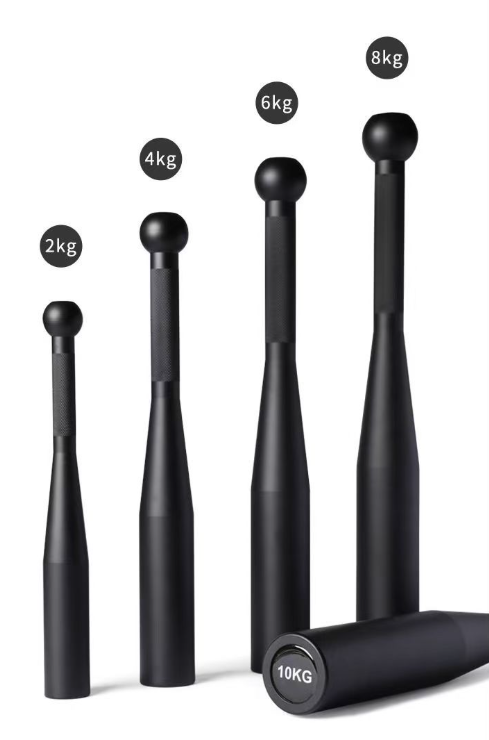
At first glance, a clubbell and a macebell may look like two versions of the same training tool. Both use an offset load and are designed for swinging, rotating and flowing movements. However, the way the weight is distributed gives each one a noticeably different training experience.
Clubbell: More Compact and Versatile
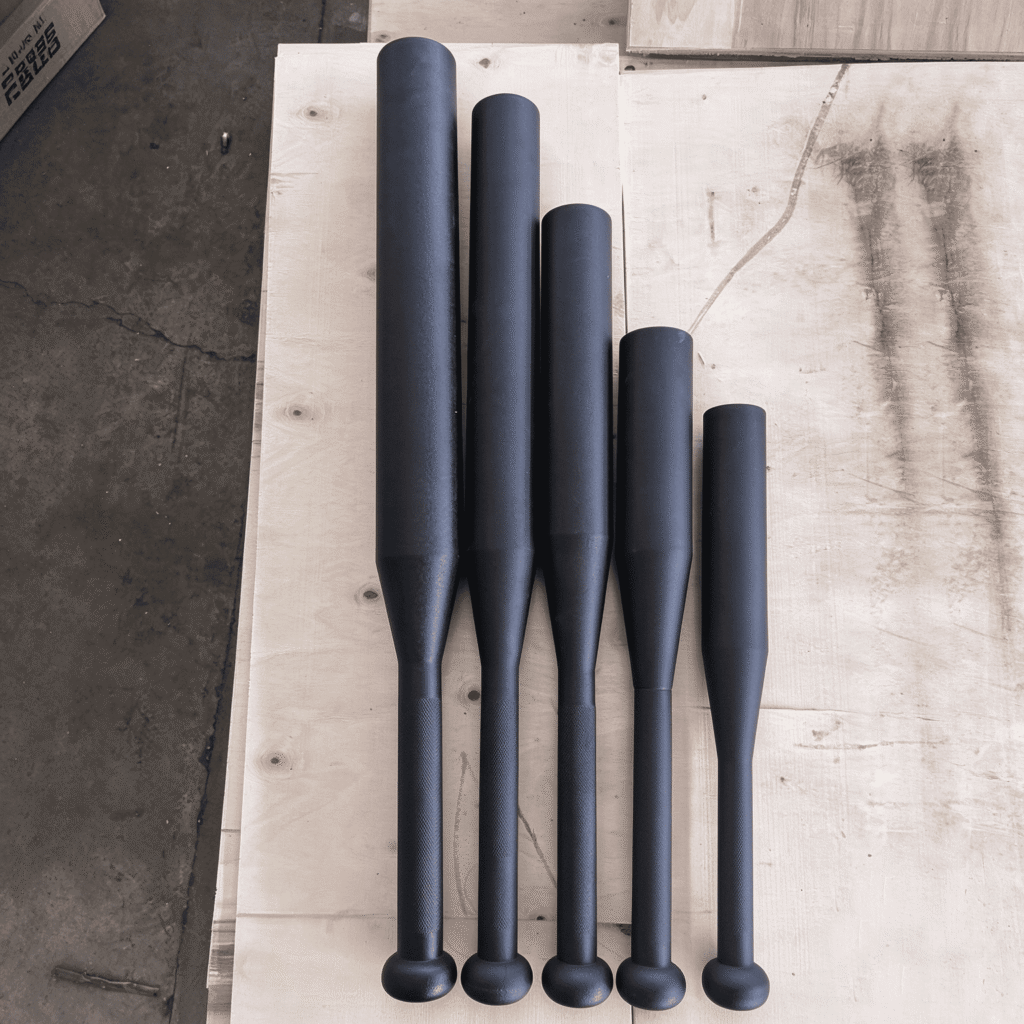
A clubbell has a relatively shorter body, with the weight distributed through its club-shaped end rather than being concentrated entirely at the far tip. This makes the load feel more compact and easier to control during many movements.
Clubbells are commonly used for single-arm exercises, rotational drills, presses, swings and flowing movement patterns. They can be a good choice for athletes and fitness enthusiasts who want to develop grip strength, shoulder control, coordination and rotational power.
Because the lever is relatively shorter, clubbell movements can also be performed in a more confined training space.
Macebell: Longer Lever, Greater Challenge
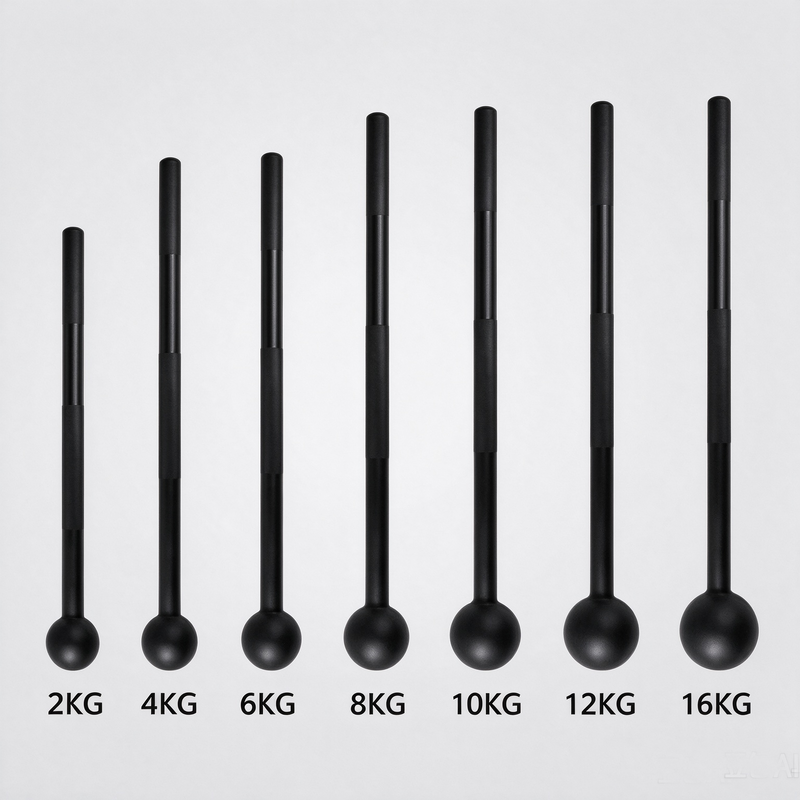
A macebell features a long straight handle with most of the weight positioned at one end. This creates a much longer lever and changes the way the weight feels during movement.
Even a relatively light macebell can create significant leverage when it is swung around the body. This makes the mace particularly useful for rotational training, shoulder mobility, core control and full-body movement patterns.
Exercises such as the 360 swing and 10-to-2 movement are commonly associated with macebell training. The longer lever also means that controlling the mace requires careful coordination between the hands, shoulders, trunk and hips.
Which One Should You Choose?
The answer depends more on your training goals than on which product is “better.”
Choose a clubbell if you are looking for a compact training tool with a wide range of controlled and rotational movements, especially single-arm exercises.
Choose a macebell if you want to focus more on long-lever movements, rotational control and flowing full-body exercises.
For gyms and functional training facilities, offering both products can provide users with two different training experiences. The clubbell offers a more compact and versatile feel, while the macebell introduces a longer lever and a stronger challenge from the offset load.
In simple terms, the clubbell gives you more compact control, while the macebell makes leverage a bigger part of the workout. Both can complement conventional equipment such as dumbbells, kettlebells and barbells.